BookmarkBookmark
テキスト表示モード
Page 01
Page 02
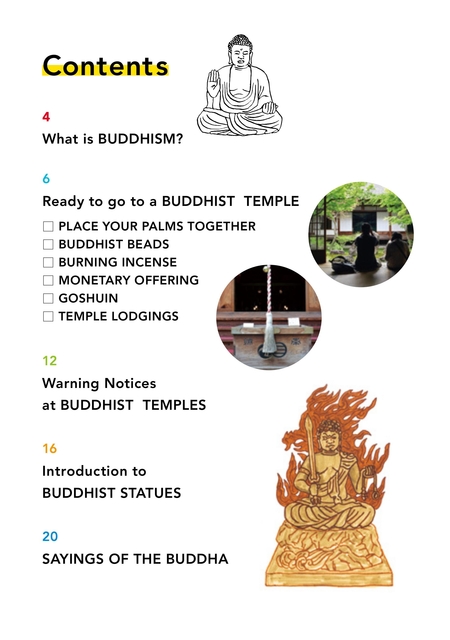
Contents4WhatisBUDDHISM?6ReadytogotoaBUDDHISTTEMPLE□PLACEYOURPALMSTOGETHER□BUDDHISTBEADS□BURNINGINCENSE□MONETARYOFFERING□GOSHUIN□TEMPLELODGINGS12WarningNoticesatBUDDHISTTEMPLES16IntroductiontoBUDDHISTSTATUES20SAYINGSOFTHEBUDDHA
Page 03
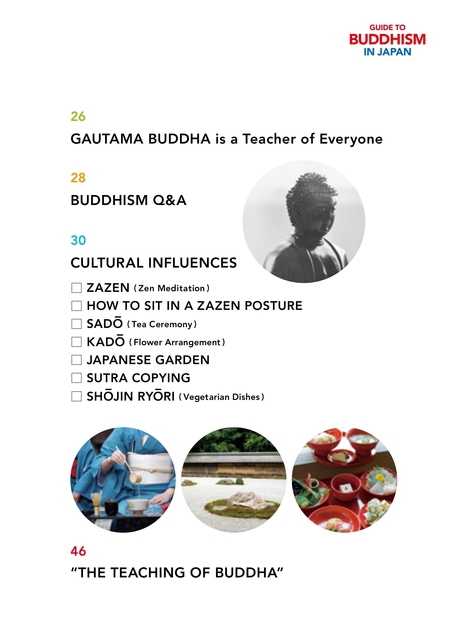
26GAUTAMABUDDHAisaTeacherofEveryone28BUDDHISMQ&A30CULTURALINFLUENCES□ZAZEN(ZenMeditation)□HOWTOSITINAZAZENPOSTURE□SADŌ(TeaCeremony)□KADŌ(FlowerArrangement)□JAPANESEGARDEN□SUTRACOPYING□SHŌJINRYŌRI(VegetarianDishes)46“THETEACHINGOFBUDDHA”
Page 04
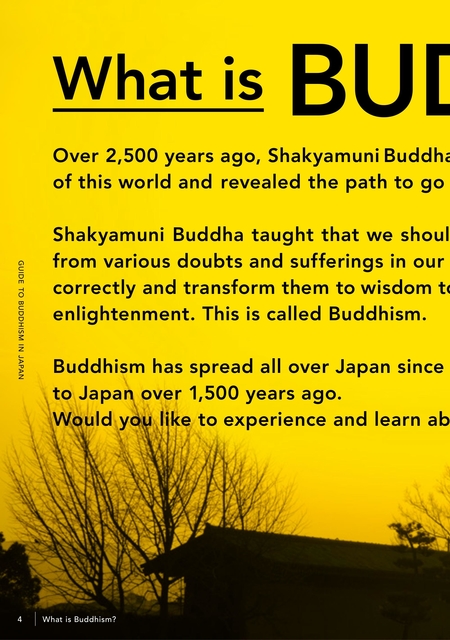
WhatisBUDOver2,500yearsago,ShakyamuniBuddhaofthisworldandrevealedthepathtogoGUIDETOBUDDHISMINJAPANShakyamuniBuddhataughtthatweshoulfromvariousdoubtsandsufferingsinourcorrectlyandtransformthemtowisdomtoenlightenment.ThisiscalledBuddhism.BuddhismhasspreadalloverJapansincetoJapanover1,500yearsago.Wouldyouliketoexperienceandlearnab4WhatisBuddhism?
Page 05
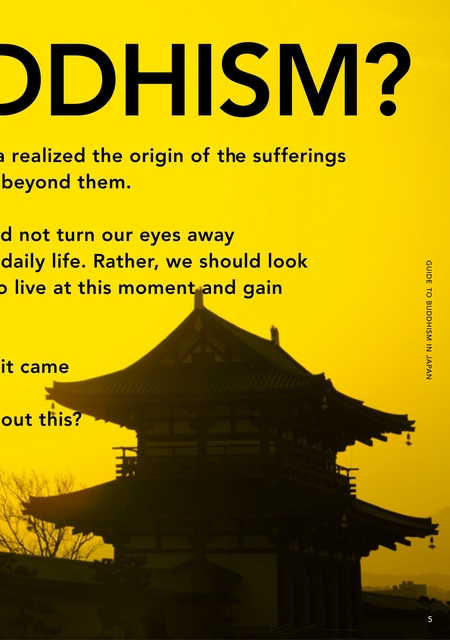
DHISM?realizedtheoriginofthesufferingsbeyondthem.dnotturnoureyesawaydailylife.Rather,weshouldlookliveatthismomentandgainitcameGUIDETOBUDDHISMINJAPANoutthis?5
Page 06
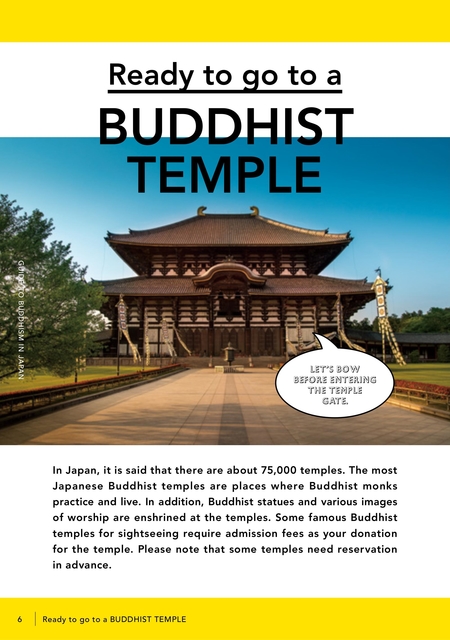
ReadytogotoaBUDDHISTTEMPLEGUIDETOBUDDHISMINJAPANLet’sbowbeforeenteringthetemplegate.InJapan,itissaidthatthereareabout75,000temples.ThemostJapaneseBuddhisttemplesareplaceswhereBuddhistmonkspracticeandlive.Inaddition,Buddhiststatuesandvariousimagesofworshipareenshrinedatthetemples.SomefamousBuddhisttemplesforsightseeingrequireadmissionfeesasyourdonationforthetemple.Pleasenotethatsometemplesneedreservationinadvance.6ReadytogotoaBUDDHISTTEMPLE
Page 07
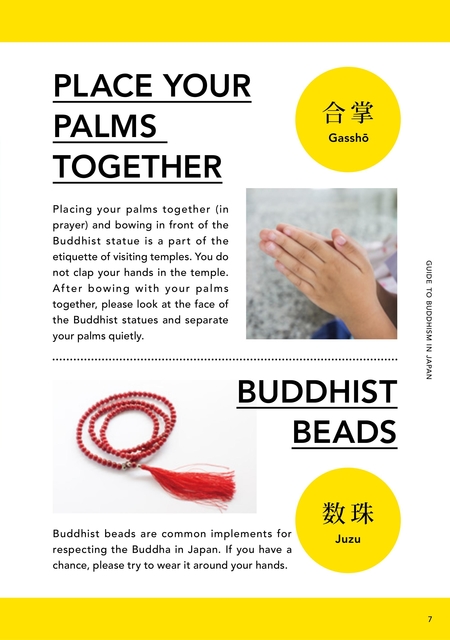
PLACEYOURPALMSTOGETHER合掌GasshōPlacingyourpalmstogether(inprayer)andbowinginfrontoftheBuddhiststatueisapartoftheetiquetteofvisitingtemples.Youdonotclapyourhandsinthetemple.Afterbowingwithyourpalmstogether,pleaselookatthefaceoftheBuddhiststatuesandseparateyourpalmsquietly.BUDDHISTBEADSGUIDETOBUDDHISMINJAPANBuddhistbeadsarecommonimplementsforrespectingtheBuddhainJapan.Ifyouhaveachance,pleasetrytowearitaroundyourhands.数珠Juzu7
Page 08
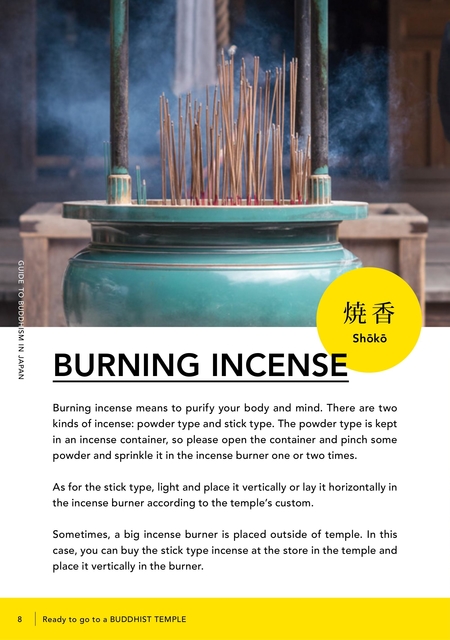
GUIDETOBUDDHISMINJAPANBURNINGINCENSE焼香ShōkōBurningincensemeanstopurifyyourbodyandmind.Therearetwokindsofincense:powdertypeandsticktype.Thepowdertypeiskeptinanincensecontainer,sopleaseopenthecontainerandpinchsomepowderandsprinkleitintheincenseburneroneortwotimes.Asforthesticktype,lightandplaceitverticallyorlayithorizontallyintheincenseburneraccordingtothetemple’scustom.Sometimes,abigincenseburnerisplacedoutsideoftemple.Inthiscase,youcanbuythesticktypeincenseatthestoreinthetempleandplaceitverticallyintheburner.8ReadytogotoaBUDDHISTTEMPLE
Page 09
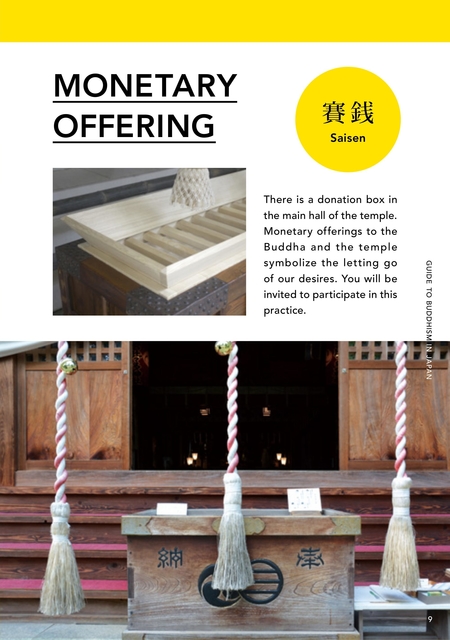
MONETARYOFFERING賽銭SaisenThereisadonationboxinthemainhallofthetemple.MonetaryofferingstotheBuddhaandthetemplesymbolizethelettinggoofourdesires.Youwillbeinvitedtoparticipateinthispractice.GUIDETOBUDDHISMINJAPAN9
Page 10
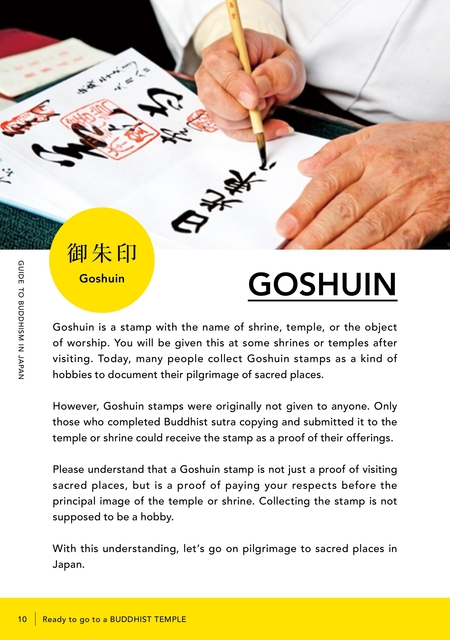
GUIDETOBUDDHISMINJAPAN御朱印GoshuinGOSHUINGoshuinisastampwiththenameofshrine,temple,ortheobjectofworship.Youwillbegiventhisatsomeshrinesortemplesaftervisiting.Today,manypeoplecollectGoshuinstampsasakindofhobbiestodocumenttheirpilgrimageofsacredplaces.However,Goshuinstampswereoriginallynotgiventoanyone.OnlythosewhocompletedBuddhistsutracopyingandsubmittedittothetempleorshrinecouldreceivethestampasaproofoftheirofferings.PleaseunderstandthataGoshuinstampisnotjustaproofofvisitingsacredplaces,butisaproofofpayingyourrespectsbeforetheprincipalimageofthetempleorshrine.Collectingthestampisnotsupposedtobeahobby.Withthisunderstanding,let’sgoonpilgrimagetosacredplacesinJapan.10ReadytogotoaBUDDHISTTEMPLE
Page 11
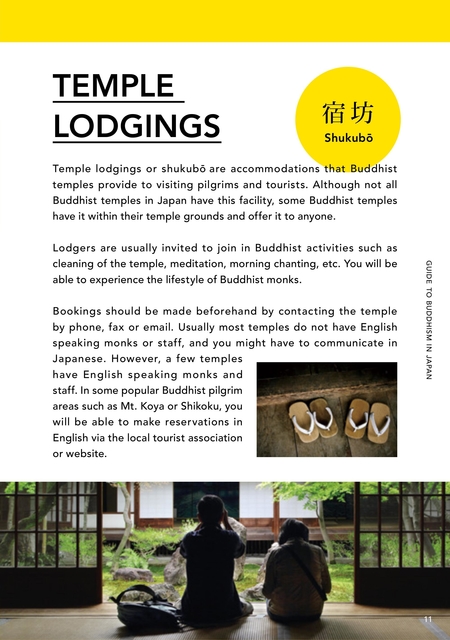
TEMPLELODGINGS宿坊ShukubōTemplelodgingsorshukubōareaccommodationsthatBuddhisttemplesprovidetovisitingpilgrimsandtourists.AlthoughnotallBuddhisttemplesinJapanhavethisfacility,someBuddhisttempleshaveitwithintheirtemplegroundsandofferittoanyone.LodgersareusuallyinvitedtojoininBuddhistactivitiessuchascleaningofthetemple,meditation,morningchanting,etc.YouwillbeabletoexperiencethelifestyleofBuddhistmonks.Bookingsshouldbemadebeforehandbycontactingthetemplebyphone,faxoremail.UsuallymosttemplesdonothaveEnglishspeakingmonksorstaff,andyoumighthavetocommunicateinJapanese.However,afewtempleshaveEnglishspeakingmonksandstaff.InsomepopularBuddhistpilgrimareassuchasMt.KoyaorShikoku,youwillbeabletomakereservationsinEnglishviathelocaltouristassociationorwebsite.GUIDETOBUDDHISMINJAPAN11
Page 12
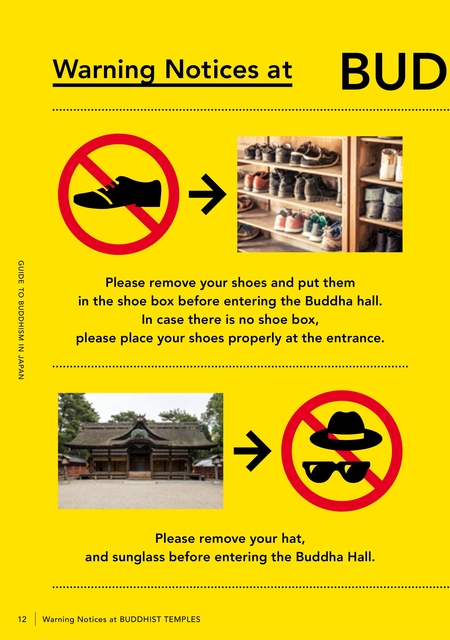
WarningNoticesatBUDGUIDETOBUDDHISMINJAPANPleaseremoveyourshoesandputthemintheshoeboxbeforeenteringtheBuddhahall.Incasethereisnoshoebox,pleaseplaceyourshoesproperlyattheentrance.Pleaseremoveyourhat,andsunglassbeforeenteringtheBuddhaHall.12WarningNoticesatBUDDHISTTEMPLES
Page 13
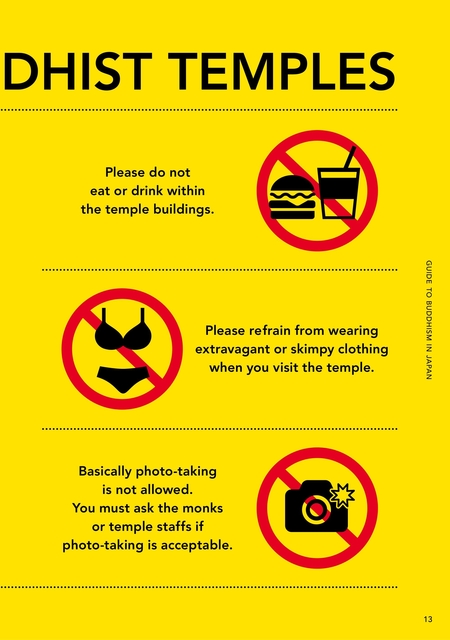
DHISTTEMPLESPleasedonoteatordrinkwithinthetemplebuildings.Pleaserefrainfromwearingextravagantorskimpyclothingwhenyouvisitthetemple.GUIDETOBUDDHISMINJAPANBasicallyphoto-takingisnotallowed.Youmustaskthemonksortemplestaffsifphoto-takingisacceptable.13
Page 14
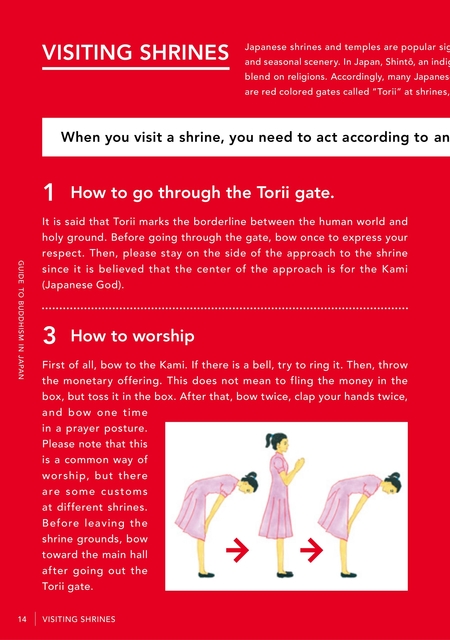
VISITINGSHRINESJapaneseshrinesandtemplesarepopularsigandseasonalscenery.InJapan,Shintō,anindigblendonreligions.Accordingly,manyJapaneseareredcoloredgatescalled“Torii”atshrines,Whenyouvisitashrine,youneedtoactaccordingtoan1HowtogothroughtheToriigate.GUIDETOBUDDHISMINJAPANItissaidthatToriimarkstheborderlinebetweenthehumanworldandholyground.Beforegoingthroughthegate,bowoncetoexpressyourrespect.Then,pleasestayonthesideoftheapproachtotheshrinesinceitisbelievedthatthecenteroftheapproachisfortheKami(JapaneseGod).3HowtoworshipFirstofall,bowtotheKami.Ifthereisabell,trytoringit.Then,throwthemonetaryoffering.Thisdoesnotmeantoflingthemoneyinthebox,buttossitinthebox.Afterthat,bowtwice,clapyourhandstwice,andbowonetimeinaprayerposture.Pleasenotethatthisisacommonwayofworship,buttherearesomecustomsatdifferentshrines.Beforeleavingtheshrinegrounds,bowtowardthemainhallaftergoingouttheToriigate.14VISITINGSHRINES
Page 15
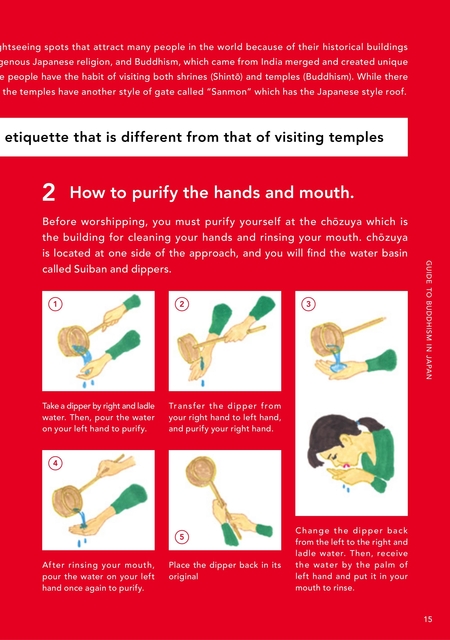
htseeingspotsthatattractmanypeopleintheworldbecauseoftheirhistoricalbuildingsenousJapanesereligion,andBuddhism,whichcamefromIndiamergedandcreateduniquepeoplehavethehabitofvisitingbothshrines(Shintō)andtemples(Buddhism).Whiletherethetempleshaveanotherstyleofgatecalled“Sanmon”whichhastheJapanesestyleroof.etiquettethatisdifferentfromthatofvisitingtemples2Howtopurifythehandsandmouth.Beforeworshipping,youmustpurifyyourselfatthechōzuyawhichisthebuildingforcleaningyourhandsandrinsingyourmouth.chōzuyaislocatedatonesideoftheapproach,andyouwillfindthewaterbasincalledSuibananddippers.123GUIDETOBUDDHISMINJAPANTakeadipperbyrightandladlewater.Then,pourthewateronyourlefthandtopurify.Transferthedipperfromyourrighthandtolefthand,andpurifyyourrighthand.4Afterrinsingyourmouth,pourthewateronyourlefthandonceagaintopurify.5PlacethedipperbackinitsoriginalChangethedipperbackfromthelefttotherightandladlewater.Then,receivethewaterbythepalmoflefthandandputitinyourmouthtorinse.15
Page 16
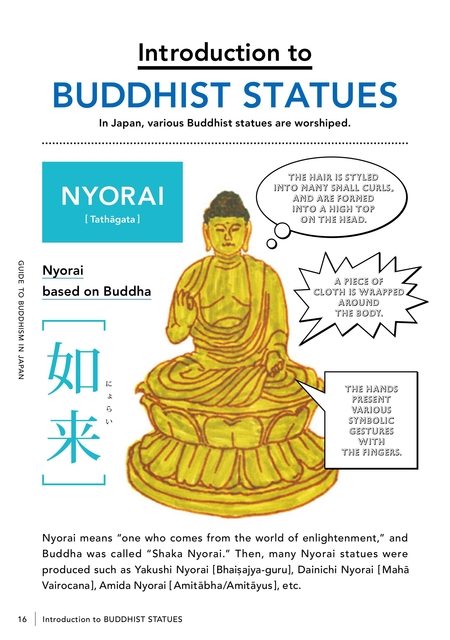
IntroductiontoBUDDHISTSTATUESInJapan,variousBuddhiststatuesareworshiped.NYORAI[Tathāgata]Thehairisstyledintomanysmallcurls,andareformedintoahightoponthehead.GUIDETOBUDDHISMINJAPANNyoraibasedonBuddha如来にょらいApieceofclothiswrappedaroundthebody.Thehandspresentvarioussymbolicgestureswiththefingers.Nyoraimeans“onewhocomesfromtheworldofenlightenment,”andBuddhawascalled“ShakaNyorai.”Then,manyNyoraistatueswereproducedsuchasYakushiNyorai[Bhaiṣajya-guru],DainichiNyorai[MahāVairocana],AmidaNyorai[Amitābha/Amitāyus],etc.16IntroductiontoBUDDHISTSTATUES
Page 17
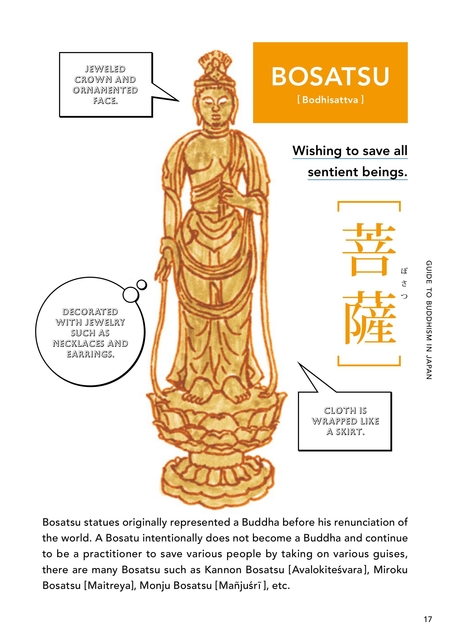
Jeweledcrownandornamentedface.BOSATSU[Bodhisattva]Wishingtosaveallsentientbeings.菩Decoratedwithjewelrysuchasnecklacesandearrings.薩ぼさつGUIDETOBUDDHISMINJAPANClothiswrappedlikeaskirt.BosatsustatuesoriginallyrepresentedaBuddhabeforehisrenunciationoftheworld.ABosatuintentionallydoesnotbecomeaBuddhaandcontinuetobeapractitionertosavevariouspeoplebytakingonvariousguises,therearemanyBosatsusuchasKannonBosatsu[Avalokiteśvara],MirokuBosatsu[Maitreya],MonjuBosatsu[Mañjuśr˜],etc.17
Page 18
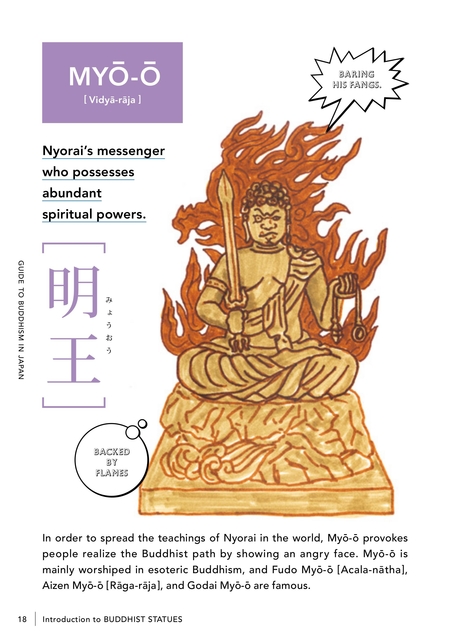
MYŌ-Ō[Vidyā-rāja]BARINGHISFANGS.GUIDETOBUDDHISMINJAPANNyorai’smessengerwhopossessesabundantspiritualpowers.明王みょうおうBACKEDBYFLAMESInordertospreadtheteachingsofNyoraiintheworld,Myō-ōprovokespeoplerealizetheBuddhistpathbyshowinganangryface.Myō-ōismainlyworshipedinesotericBuddhism,andFudoMyō-ō[Acala-nātha],AizenMyō-ō[Rāga-rāj],aandGodaiMyō-ōarefamous.18IntroductiontoBUDDHISTSTATUES
Page 19
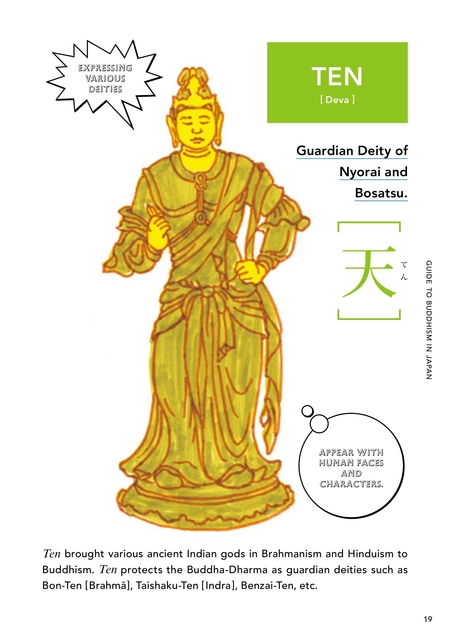
EXPRESSINGVARIOUSDEITIESTEN[Deva]GuardianDeityofNyoraiandBosatsu.天てんGUIDETOBUDDHISMINJAPANAppearwithhumanfacesandcharacters.TenbroughtvariousancientIndiangodsinBrahmanismandHinduismtoBuddhism.TenprotectstheBuddha-DharmaasguardiandeitiessuchasBon-Ten[Brahmā],Taishaku-Ten[Indra],Benzai-Ten,etc.19
Page 20
GUIDETOBUDDHISMINJAPANSAYINGSOFTHEBUDDHAResonatingwithYourPresentMindThefollowingsareBuddha’ssayingsthatresonateatthisage.Youwillfeelasifyouopenthenewdoorofyourlifebyknowingtheessenceofhisteachingsandpracticethem.20SAYINGSOFTHEBUDDHA
Page 21
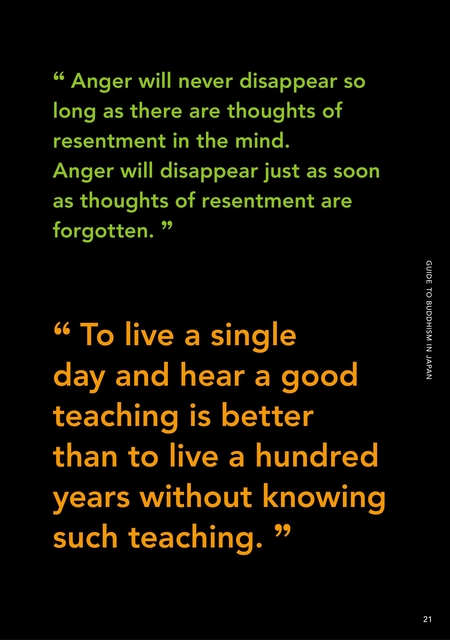
“Angerwillneverdisappearsolongastherearethoughtsofresentmentinthemind.Angerwilldisappearjustassoonasthoughtsofresentmentareforgotten.”“Toliveasingledayandhearagoodteachingisbetterthantoliveahundredyearswithoutknowingsuchteaching.”GUIDETOBUDDHISMINJAPAN21

Page 22
GUIDETOBUDDHISMINJAPAN“Itisworthytoperformthepresentdutywellandwithoutfailure,donotseektoavoidorpostponeittilltomorrow.Byactingnow,onecanliveagoodday.”“Thesecretofhealthforbothmindandbodyisnotmournforthepast,notworryaboutthefuture,ornottoanticipatetroubles,buttolivewiselyandearnestlyforthepresent.”22SAYINGSOFTHEBUDDHA
Page 23
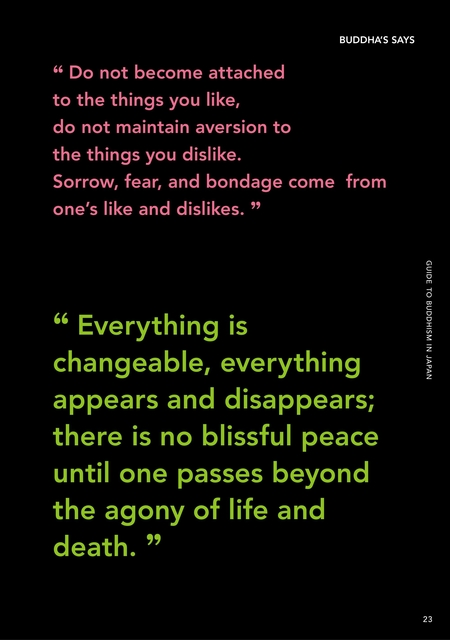
“BUDDHA’SSAYSDonotbecomeattachedtothethingsyoulike,donotmaintainaversiontothethingsyoudislike.Sorrow,fear,andbondagecomefromone’slikeanddislikes.”“Everythingischangeable,everythingappearsanddisappears;thereisnoblissfulpeaceuntilonepassesbeyondtheagonyoflifeanddeath.”GUIDETOBUDDHISMINJAPAN23
Page 24
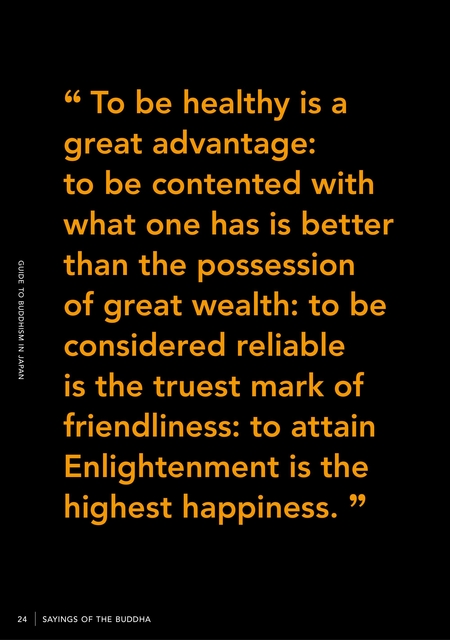
GUIDETOBUDDHISMINJAPAN“Tobehealthyisagreatadvantage:tobecontentedwithwhatonehasisbetterthanthepossessionofgreatwealth:tobeconsideredreliableisthetruestmarkoffriendliness:toattainEnlightenmentisthehighesthappiness.”24SAYINGSOFTHEBUDDHA

Page 25
BUDDHA’SSAYS“Therearenosonsforprotection,neitherfathernorevenkinsmen:forhimwhoisovercomebydeathnoprotectionistherefromkinsmen.”“Toutterpleasantwordswithoutpracticingthemislikeafineflowerwithoutfragrance.”GUIDETOBUDDHISMINJAPANCitationfrom“TheTeachingofBuddha”(BukkyoDendoKyokai)25
Page 26
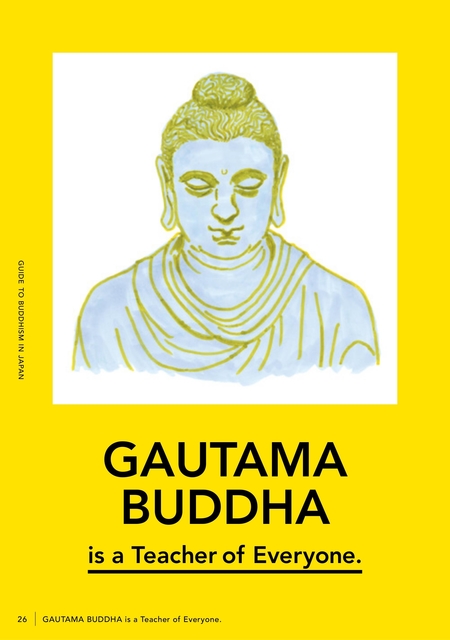
GUIDETOBUDDHISMINJAPANGAUTAMABUDDHAisaTeacherofEveryone.26GAUTAMABUDDHAisaTeacherofEveryone.
Page 27
BuddhaisahumanbeingwhowasborninIndia2,500yearsago.OurteacherwhosenamewasBuddhawasborninthenorthernregionofIndiaabout2,500yearsago.HisoriginalnameisGautamaSiddhārtha.BuddhawasbornasaprinceofShakyaclanandwaslivingalifeofwealth.However,hesawthatmanypeopleweresickandsufferingfromhunger,andhelefthispalacetostarthispractice.GUIDETOBUDDHISMINJAPANAfter6yearsofstrictpractice,heachievedenlightenmentandrealizedallthetruthsofthisworld.Afterthat,Buddhaliveduntiltheageof80,teachingthewayoflivinginrightlivelihoodandgentleheartwithoutsufferingoranxiety.HisteachingiscalledBuddhism,andmanypeopleintheworldarelivingaccordingtoit.27
Page 28
BUDDHISMQ&AQ.IsBuddhaAGod?GUIDETOBUDDHISMINJAPANABuddhaisneitherGod,thesonofGod,northemessengerfromGod.Buddhaoriginallymeansthehewhowasawakenedandrealizedthetruth.Thatis,whyheiscalledthe“AwakenedOne.”Buddhawasahumanlikeus.ShakyamuniBuddhaisoneofmanyBuddhaswhowereenlightened:HisoriginalhumannamewasSiddhartha.Q.IsBuddhismAReligion?AIfyoudefinetheterm“religion”assomethingspiritual,Buddhismisnotincludedinthatcategoricalmeaningofreligion.Buddhismcanberephrasedas“theBuddhistpath”or“theBuddhistwayoflife.”AssuchBuddhismcanbeunderstoodasa“philosophy”oflife.Q.WhyAreThereManyBuddhistsAAftertheBuddhapassedaway,BuddhismtraveledandspreadedovervariousAsiancountries.OneofthemainfeaturesofBuddhismisthatBuddhismisveryflexibleandcannaturallyassimilateintovariouscultures.Asamatteroffact,variouscharacteristicBuddhisttraditionswereformedineachcountry.ThisisoneofmainreasonswhytherearemanyBuddhistinterpretationsintheworld.28BUDDHISMQ&A
Page 29
GUIDETOBUDDHISMINJAPAN29
Page 30
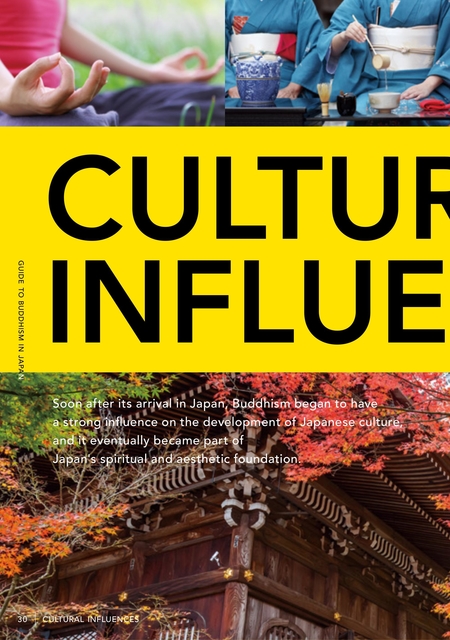
GUIDETOBUDDHISMINJAPANCULTURINFLUESoonafteritsarrivalinJapan,BuddhismbegantohaveastronginfluenceonthedevelopmentofJapaneseculture,anditeventuallybecamepartofJapan'sspiritualandaestheticfoundation.30CULTURALINFLUENCES
Page 31
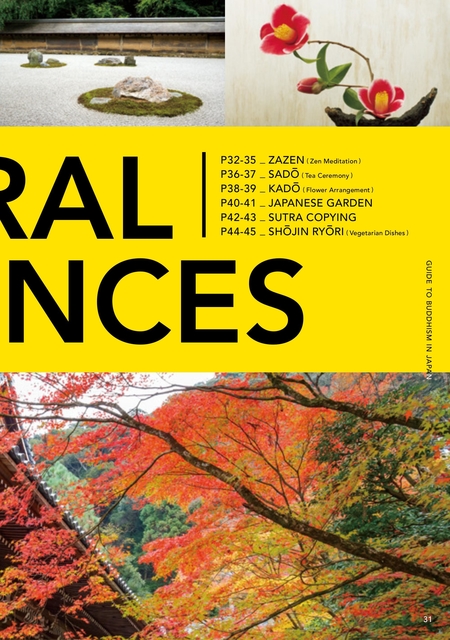
ALP32-35_ZAZEN(ZenMeditation)P36-37_SADŌ(TeaCeremony)P38-39_KADŌ(FlowerArrangement)P40-41_JAPANESEGARDENP42-43_SUTRACOPYINGP44-45_SHŌJINRYŌRI(VegetarianDishes)NCESGUIDETOBUDDHISMINJAPAN31
Page 32
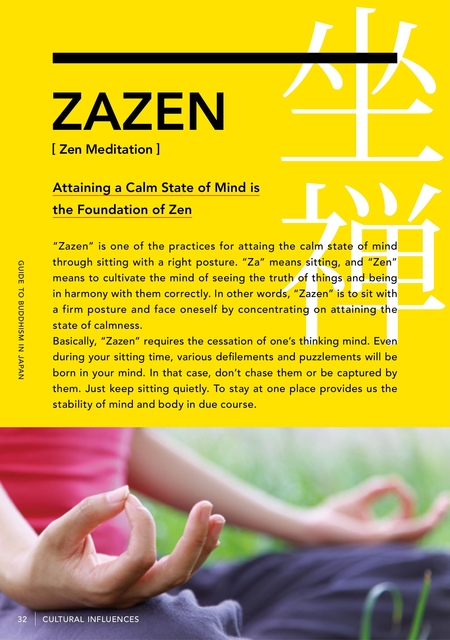
坐ZAZEN[ZenMeditation]AttainingaCalmStateofMindistheFoundationofZen禅GUIDETOBUDDHISMINJAPAN“Zazen”isoneofthepracticesforattaingthecalmstateofmindthroughsittingwitharightposture.“Za”meanssitting,and“Zen”meanstocultivatethemindofseeingthetruthofthingsandbeinginharmonywiththemcorrectly.Inotherwords,“Zazen”istositwithafirmpostureandfaceoneselfbyconcentratingonattainingthestateofcalmness.Basically,“Zazen”requiresthecessationofone’sthinkingmind.Evenduringyoursittingtime,variousdefilementsandpuzzlementswillbeborninyourmind.Inthatcase,don’tchasethemorbecapturedbythem.Justkeepsittingquietly.Tostayatoneplaceprovidesusthestabilityofmindandbodyinduecourse.32CULTURALINFLUENCES
Page 33
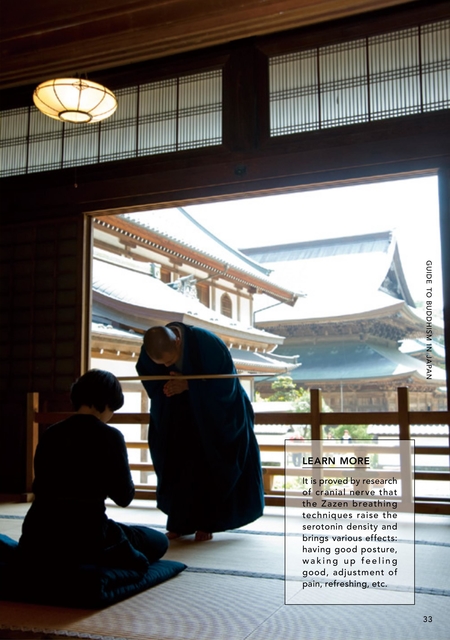
GUIDETOBUDDHISMINJAPANLEARNMOREItisprovedbyresearchofcranialnervethattheZazenbreathingtechniquesraisetheserotonindensityandbringsvariouseffects:havinggoodposture,wakingupfeelinggood,adjustmentofpain,refreshing,etc.33
Page 34
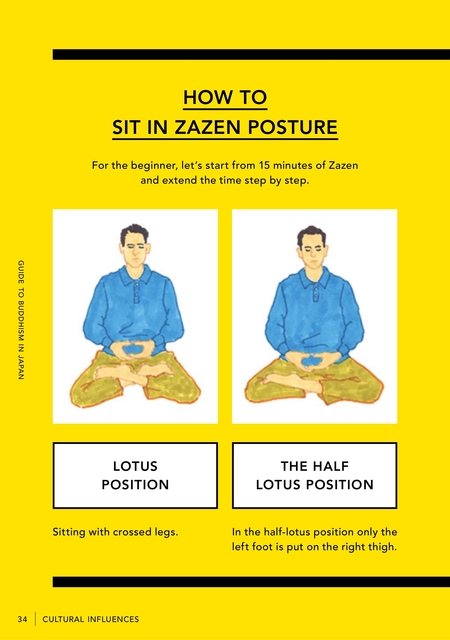
HOWTOSITINZAZENPOSTUREForthebeginner,let’sstartfrom15minutesofZazenandextendthetimestepbystep.GUIDETOBUDDHISMINJAPANLOTUSPOSITIONTHEHALFLOTUSPOSITIONSittingwithcrossedlegs.Inthehalf-lotuspositiononlytheleftfootisputontherightthigh.34CULTURALINFLUENCES
Page 35
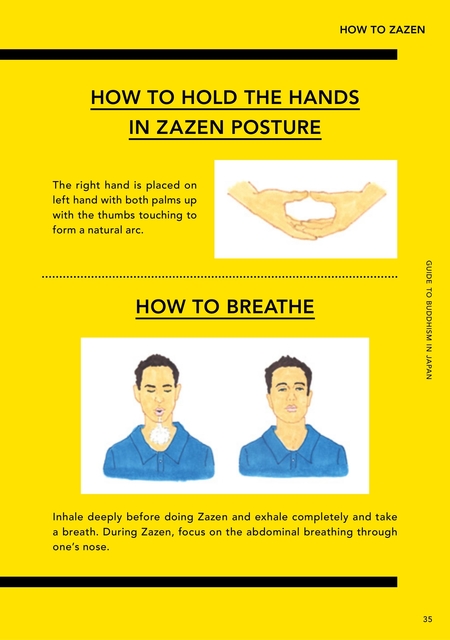
HOWTOZAZENHOWTOHOLDTHEHANDSINZAZENPOSTURETherighthandisplacedonlefthandwithbothpalmsupwiththethumbstouchingtoformanaturalarc.HOWTOBREATHEGUIDETOBUDDHISMINJAPANInhaledeeplybeforedoingZazenandexhalecompletelyandtakeabreath.DuringZazen,focusontheabdominalbreathingthroughone’snose.35
Page 36
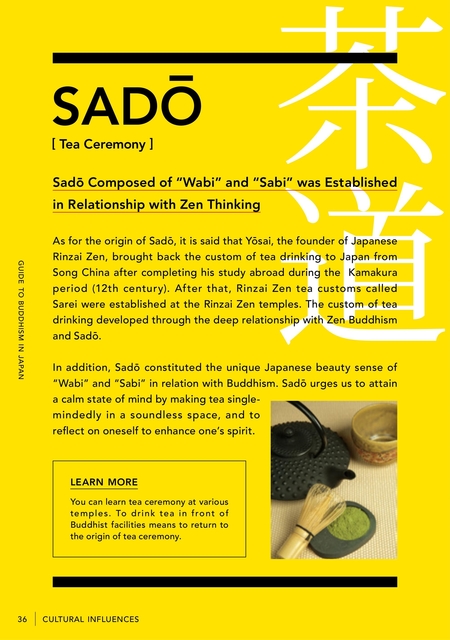
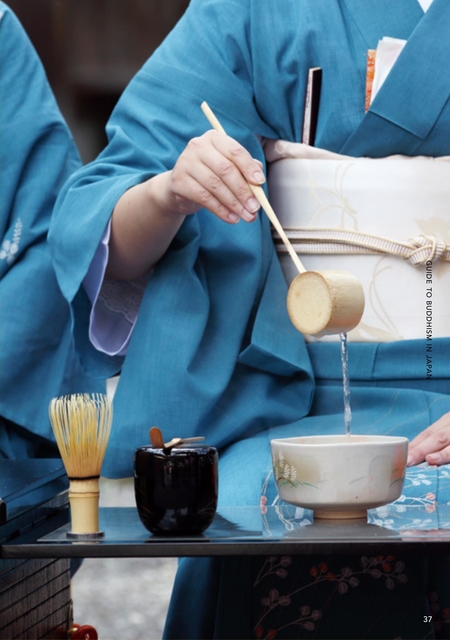
茶道SadoComposedof“Wabi”and“Sabi”wasEstablishedSADŌ[TeaCeremony]-inRelationshipwithZenThinkingGUIDETOBUDDHISMINJAPANAsfortheoriginofSadō,itissaidthatYōsai,thefounderofJapaneseRinzaiZen,broughtbackthecustomofteadrinkingtoJapanfromSongChinaaftercompletinghisstudyabroadduringtheKamakuraperiod(12thcentury).Afterthat,RinzaiZenteacustomscalledSareiwereestablishedattheRinzaiZentemples.ThecustomofteadrinkingdevelopedthroughthedeeprelationshipwithZenBuddhismandSadō.Inaddition,SadōconstitutedtheuniqueJapanesebeautysenseof“Wabi”and“Sabi”inrelationwithBuddhism.Sadōurgesustoattainacalmstateofmindbymakingteasinglemindedlyinasoundlessspace,andtoreflectononeselftoenhanceone’sspirit.LEARNMOREYoucanlearnteaceremonyatvarioustemples.TodrinkteainfrontofBuddhistfacilitiesmeanstoreturntotheoriginofteaceremony.36CULTURALINFLUENCES
Page 37
GUIDETOBUDDHISMINJAPAN37
Page 38
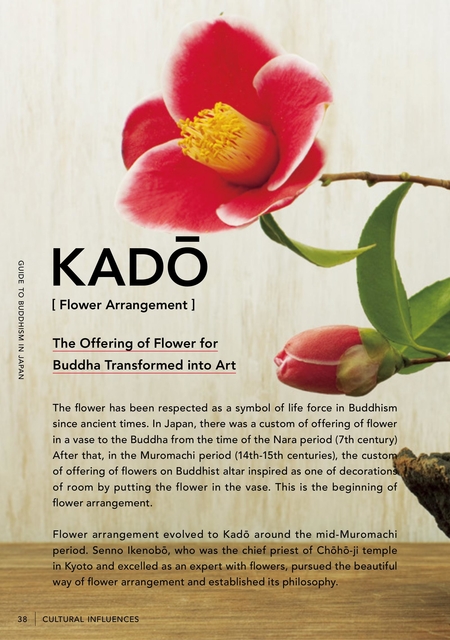
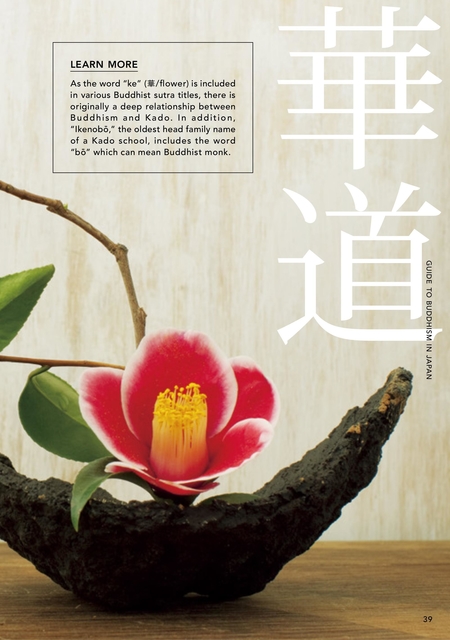
GUIDETOBUDDHISMINJAPANKADŌ[FlowerArrangement]TheOfferingofFlowerforBuddhaTransformedintoArtTheflowerhasbeenrespectedasasymboloflifeforceinBuddhismsinceancienttimes.InJapan,therewasacustomofofferingofflowerinavasetotheBuddhafromthetimeoftheNaraperiod(7thcentury)Afterthat,intheMuromachiperiod(14th-15thcenturies),thecustomofofferingofflowersonBuddhistaltarinspiredasoneofdecorationsofroombyputtingtheflowerinthevase.Thisisthebeginningofflowerarrangement.FlowerarrangementevolvedtoKadōaroundthemid-Muromachiperiod.SennoIkenobō,whowasthechiefpriestofChōhō-jitempleinKyotoandexcelledasanexpertwithflowers,pursuedthebeautifulwayofflowerarrangementandestablisheditsphilosophy.38CULTURALINFLUENCES
Page 39
華LEARNMOREAstheword“ke”(華/flower)isincludedinvariousBuddhistsutratitles,thereisoriginallyadeeprelationshipbetweenBuddhismandKado.Inaddition,“Ikenobō,”theoldestheadfamilynameofaKadoschool,includestheword“bō”whichcanmeanBuddhistmonk.道GUIDETOBUDDHISMINJAPAN39
Page 40
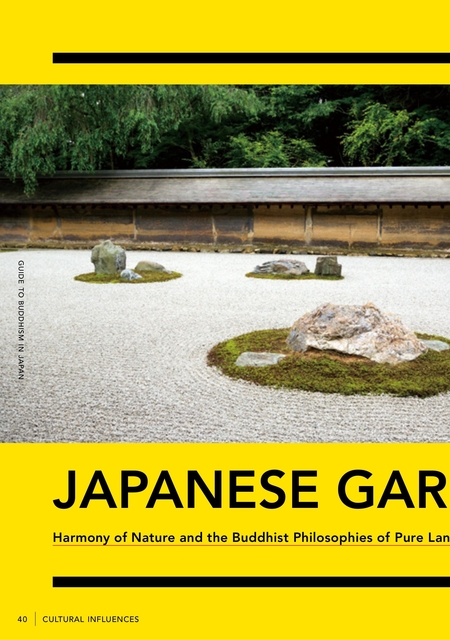
JAPANESEGARDGUIDETOBUDDHISMINJAPANHarmonyofNatureandtheBuddhistPhilosophiesofPureLan40CULTURALINFLUENCES
Page 41
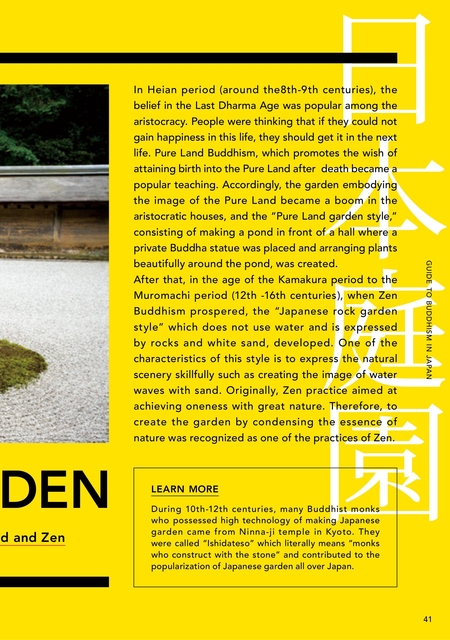
日InHeianperiod(aroundthe8th-9thcenturies),thebeliefintheLastDharmaAgewaspopularamongthearistocracy.Peoplewerethinkingthatiftheycouldnotgainhappinessinthislife,theyshouldgetitinthenextlife.PureLandBuddhism,whichpromotesthewishofattainingbirthintothePureLandafterdeathbecameapopularteaching.Accordingly,thegardenembodyingtheimageofthePureLandbecameaboominthearistocratichouses,andthe“PureLandgardenstyle,”consistingofmakingapondinfrontofahallwhereaprivateBuddhastatuewasplacedandarrangingplantsbeautifullyaroundthepond,wascreated.Afterthat,intheageoftheKamakuraperiodtotheMuromachiperiod(12th-16thcenturies),whenZenBuddhismprospered,the“Japaneserockgardenstyle”whichdoesnotusewaterandisexpressedbyrocksandwhitesand,developed.Oneofthecharacteristicsofthisstyleistoexpressthenaturalsceneryskillfullysuchascreatingtheimageofwaterwaveswithsand.Originally,Zenpracticeaimedatachievingonenesswithgreatnature.Therefore,tocreatethegardenbycondensingtheessenceofnaturewasrecognizedasoneofthepracticesofZen.本庭園GUIDETOBUDDHISMINJAPANdandZenENLEARNMOREDuring10th-12thcenturies,manyBuddhistmonkswhopossessedhightechnologyofmakingJapanesegardencamefromNinna-jitempleinKyoto.Theywerecalled“Ishidateso”whichliterallymeans“monkswhoconstructwiththestone”andcontributedtothepopularizationofJapanesegardenalloverJapan.41
Page 42
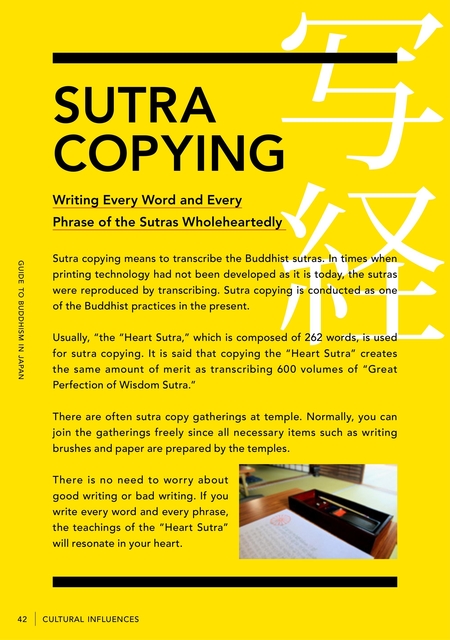
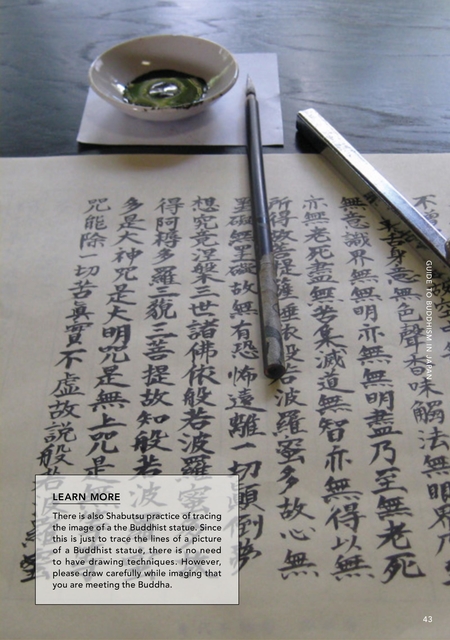
写SUTRACOPYING経WritingEveryWordandEveryPhraseoftheSutrasWholeheartedlyGUIDETOBUDDHISMINJAPANSutracopyingmeanstotranscribetheBuddhistsutras.Intimeswhenprintingtechnologyhadnotbeendevelopedasitistoday,thesutraswerereproducedbytranscribing.SutracopyingisconductedasoneoftheBuddhistpracticesinthepresent.Usually,“the“HeartSutra,”whichiscomposedof262words,isusedforsutracopying.Itissaidthatcopyingthe“HeartSutra”createsthesameamountofmeritastranscribing600volumesof“GreatPerfectionofWisdomSutra.”Thereareoftensutracopygatheringsattemple.Normally,youcanjointhegatheringsfreelysinceallnecessaryitemssuchaswritingbrushesandpaperarepreparedbythetemples.Thereisnoneedtoworryaboutgoodwritingorbadwriting.Ifyouwriteeverywordandeveryphrase,theteachingsofthe“HeartSutra”willresonateinyourheart.42CULTURALINFLUENCES
Page 43
GUIDETOBUDDHISMINJAPANLEARNMOREThereisalsoShabutsupracticeoftracingtheimageofatheBuddhiststatue.SincethisisjusttotracethelinesofapictureofaBuddhiststatue,thereisnoneedtohavedrawingtechniques.However,pleasedrawcarefullywhileimagingthatyouaremeetingtheBuddha.43
Page 44
GUIDETOBUDDHISMINJAPAN44CULTURALINFLUENCES
Page 45
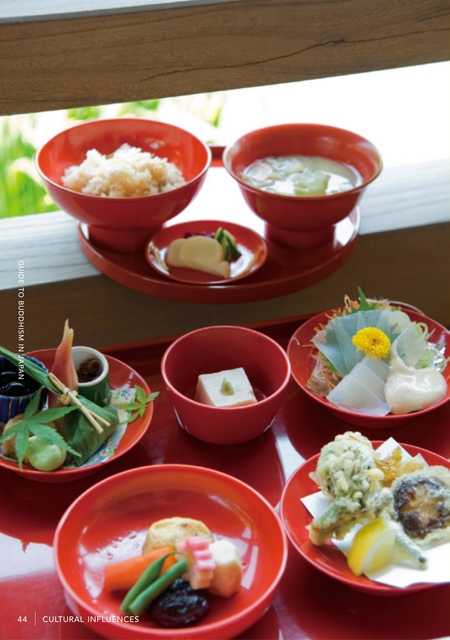
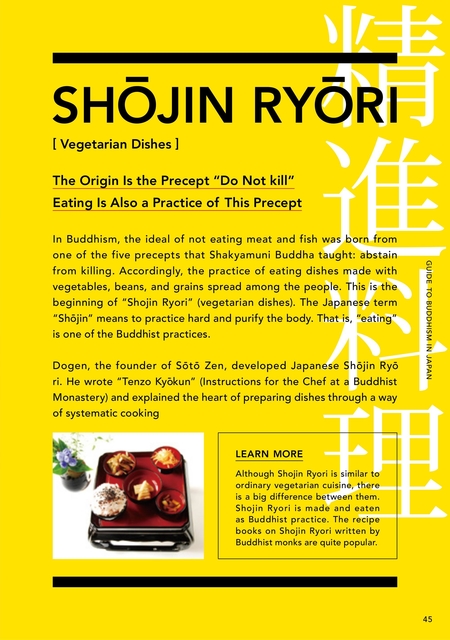
精SHŌJINRYŌRI[VegetarianDishes]TheOriginIsthePrecept“DoNotkill”EatingIsAlsoaPracticeofThisPreceptInBuddhism,theidealofnoteatingmeatandfishwasbornfromoneofthefivepreceptsthatShakyamuniBuddhataught:abstainfromkilling.Accordingly,thepracticeofeatingdishesmadewithvegetables,beans,andgrainsspreadamongthepeople.Thisisthebeginningof“ShojinRyori”(vegetariandishes).TheJapaneseterm“Shōjin”meanstopracticehardandpurifythebody.Thatis,“eating”isoneoftheBuddhistpractices.Dogen,thefounderofSōtōZen,developedJapaneseShōjinRyōri.Hewrote“TenzoKyōkun”(InstructionsfortheChefataBuddhistMonastery)andexplainedtheheartofpreparingdishesthroughawayofsystematiccooking進料理GUIDETOBUDDHISMINJAPANLEARNMOREAlthoughShojinRyoriissimilartoordinaryvegetariancuisine,thereisabigdifferencebetweenthem.ShojinRyoriismadeandeatenasBuddhistpractice.TherecipebooksonShojinRyoriwrittenbyBuddhistmonksarequitepopular.45
Page 46
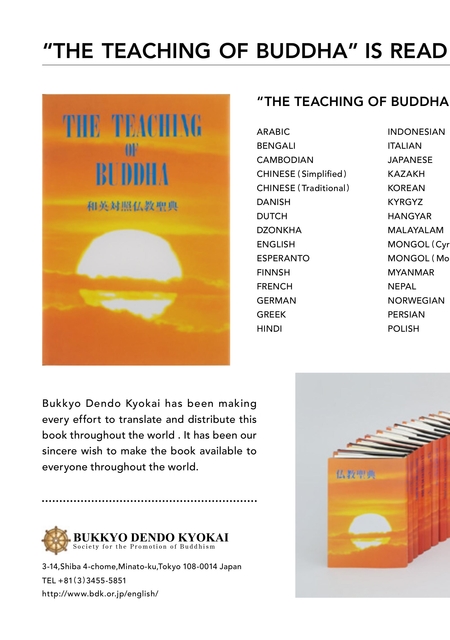
“THETEACHINGOFBUDDHA”ISREAD“THETEACHINGOFBUDDHA”ARABICBENGALICAMBODIANCHINESE(Simplified)CHINESE(Traditional)DANISHDUTCHDZONKHAENGLISHESPERANTOFINNSHFRENCHGERMANGREEKHINDIINDONESIANITALIANJAPANESEKAZAKHKOREANKYRGYZHANGYARMALAYALAMMONGOL(CyriMONGOL(MonMYANMARNEPALNORWEGIANPERSIANPOLISHBukkyoDendoKyokaihasbeenmakingeveryefforttotranslateanddistributethisbookthroughouttheworld.Ithasbeenoursincerewishtomakethebookavailabletoeveryonethroughouttheworld.3-14,Shiba4-chome,Minato-ku,Tokyo108-0014JapanTEL+81(3)3455-5851http://www.bdk.or.jp/english/
Page 47
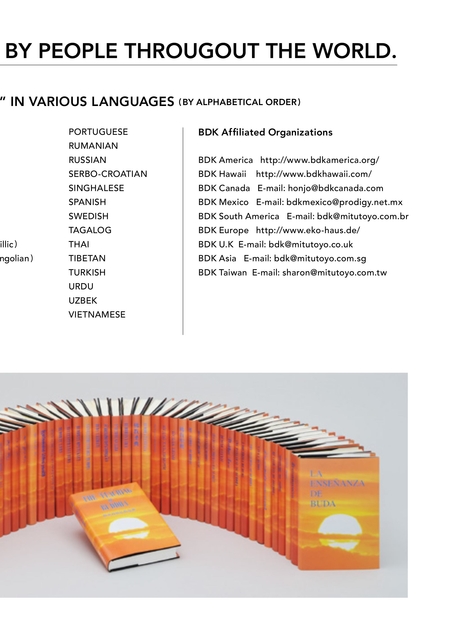
BYPEOPLETHROUGOUTTHEWORLD.INVARIOUSLANGUAGES(BYALPHABETICALORDER)llic)golian)PORTUGUESERUMANIANRUSSIANSERBO-CROATIANSINGHALESESPANISHSWEDISHTAGALOGTHAITIBETANTURKISHURDUUZBEKVIETNAMESEBDKAffiliatedOrganizationsBDKAmericahttp://www.bdkamerica.org/BDKHawaiihttp://www.bdkhawaii.com/BDKCanadaE-mail:honjo@bdkcanada.comBDKMexicoE-mail:bdkmexico@prodigy.net.mxBDKSouthAmericaE-mail:bdk@mitutoyo.com.brBDKEuropehttp://www.eko-haus.de/BDKU.KE-mail:bdk@mitutoyo.co.ukBDKAsiaE-mail:bdk@mitutoyo.com.sgBDKTaiwanE-mail:sharon@mitutoyo.com.tw